Find the source
Mold inspection
& testing.
Know what is happening before opening a wall.
A mold inspection should identify the visible signs, likely moisture source, affected building areas and the next practical step. ASM uses visual assessment and moisture-detection tools, then recommends testing only when it helps answer a meaningful question about the property.
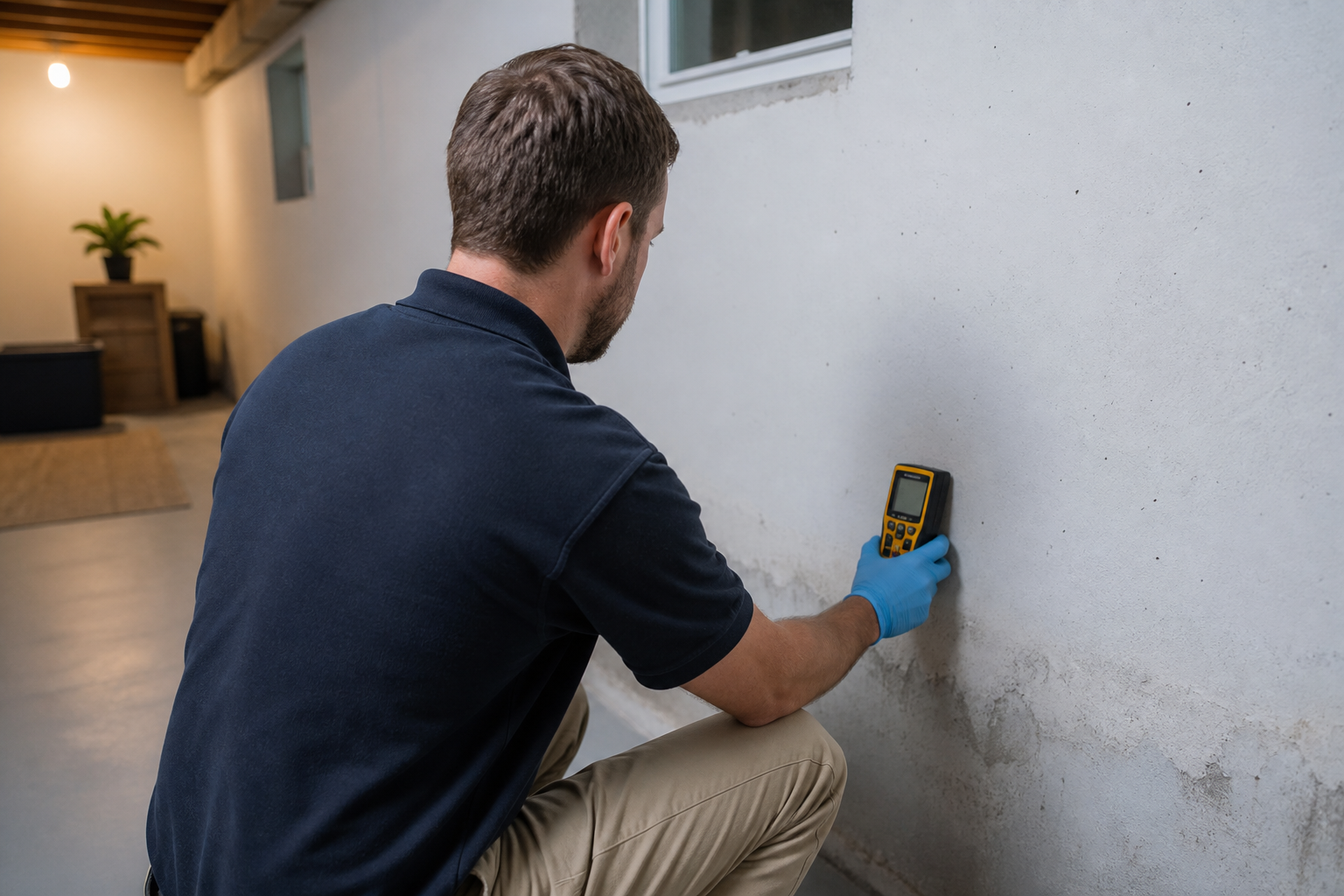
A mold inspection should identify the visible signs, likely moisture source, affected building areas and the next practical step. ASM uses visual assessment and moisture-detection tools, then recommends testing only when it helps answer a meaningful question about the property.
What’s included
A complete scope,
not a surface fix.
Visual inspection
Moisture measurements
Thermal imaging where useful
Testing recommendations when appropriate
Clear next-step remediation plan
How the work happens
Four clear stages.
One accountable team.
Most residential inspections are completed during one visit. Laboratory results, when testing is appropriate, depend on the selected analysis and turnaround time.
- 01
Listen
We start with what you have seen, smelled, repaired or experienced in the property.
- 02
Inspect
Visible areas and likely moisture pathways are reviewed with non-destructive tools.
- 03
Document
Findings are organized into a practical explanation of affected areas and probable causes.
- 04
Recommend
You receive a clear next step, whether that is monitoring, repair, testing or remediation.
Project scope
What shapes the work?
ASM confirms the responsible scope after a free inspection because materials, access, moisture source and containment matter more than a generic online estimate.
Book a free inspection ↗- 01Property size
- 02Number of areas inspected
- 03Accessibility
- 04Type and number of samples
- 05Need for specialist laboratory analysis

Proof after the work
Inspected. Documented.
Backed in writing.
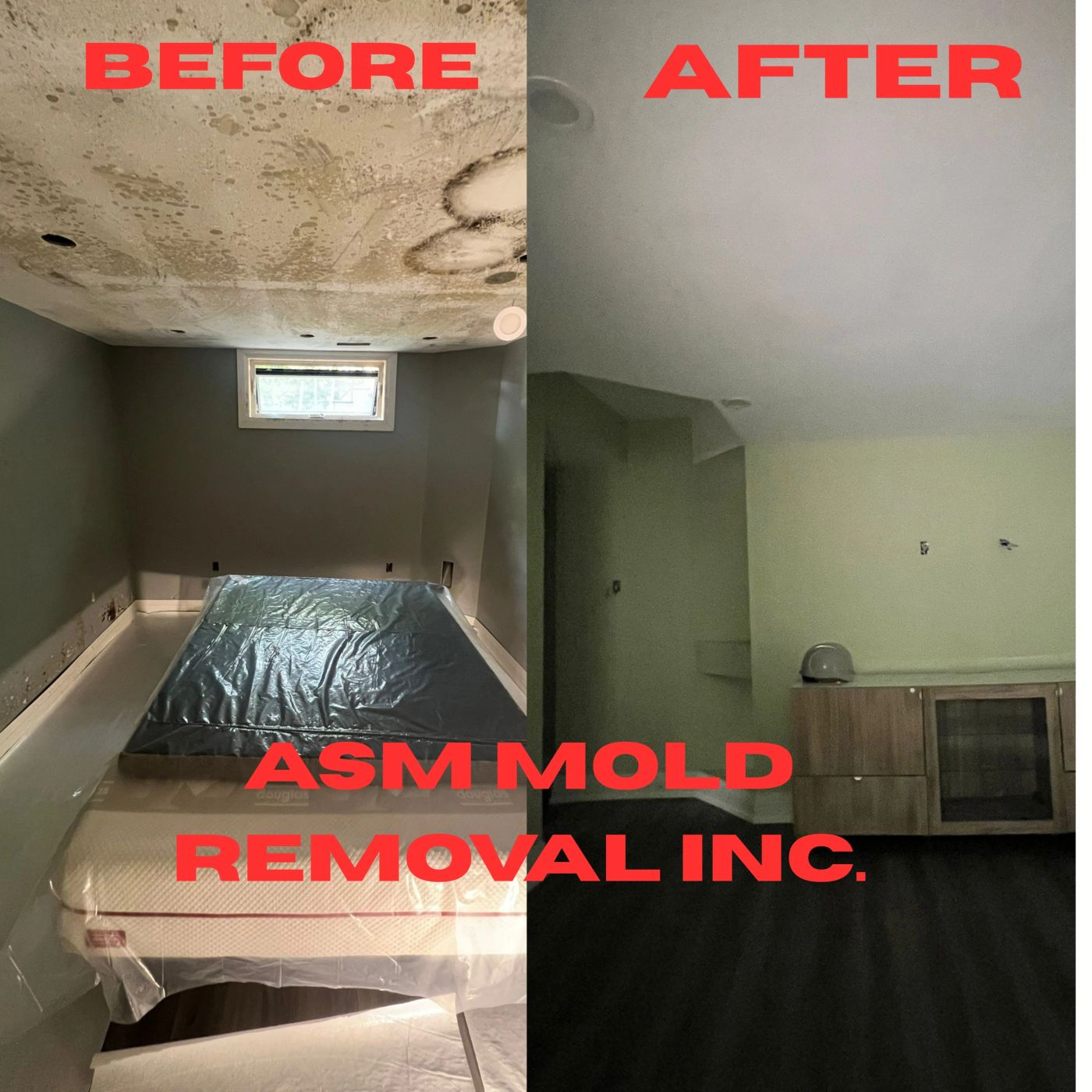
After the job is completed and inspected, ASM provides a Mold Remediation Warranty Certificate for the serviced areas. It gives homeowners, buyers, sellers and real estate professionals a clear record of professional treatment.
See completed projectsLocal service guides
Inspection & testing
across Ontario.
Each city guide covers the local building stock, the conditions that drive this work there and what ASM typically finds on site.
Toronto and the GTAInspection & testing in Toronto↗Peel RegionInspection & testing in Mississauga↗Peel RegionInspection & testing in Brampton↗York RegionInspection & testing in Vaughan↗York RegionInspection & testing in Markham↗Hamilton and HaltonInspection & testing in Hamilton↗Halton RegionInspection & testing in Oakville↗Halton RegionInspection & testing in Burlington↗Niagara RegionInspection & testing in Niagara Falls↗Durham RegionInspection & testing in Oshawa↗Durham RegionInspection & testing in Ajax↗Peterborough CountyInspection & testing in Peterborough↗Frontenac CountyInspection & testing in Kingston↗Simcoe CountyInspection & testing in Wasaga Beach↗Middlesex CountyInspection & testing in London↗Simcoe CountyInspection & testing in Barrie↗Waterloo RegionInspection & testing in Kitchener↗Waterloo RegionInspection & testing in Cambridge↗Waterloo RegionInspection & testing in Waterloo↗
Helpful answers
Questions about inspection & testing
Is air testing always necessary?+
No. Visible mold and an obvious moisture source may already provide enough information to plan remediation. Testing is most useful when it answers a specific question that visual inspection cannot.
Can you find mold behind walls?+
Moisture readings, thermal patterns, staining and odour can indicate a concealed issue, but no non-destructive tool can identify every hidden condition. Selective opening may be recommended when evidence warrants it.
What should I do before the inspection?+
Avoid cleaning or painting over the suspected area. Note recent leaks, odours, condensation and when the issue first appeared so the inspector has useful context.
Related help
Continue exploring
Attic mold removal
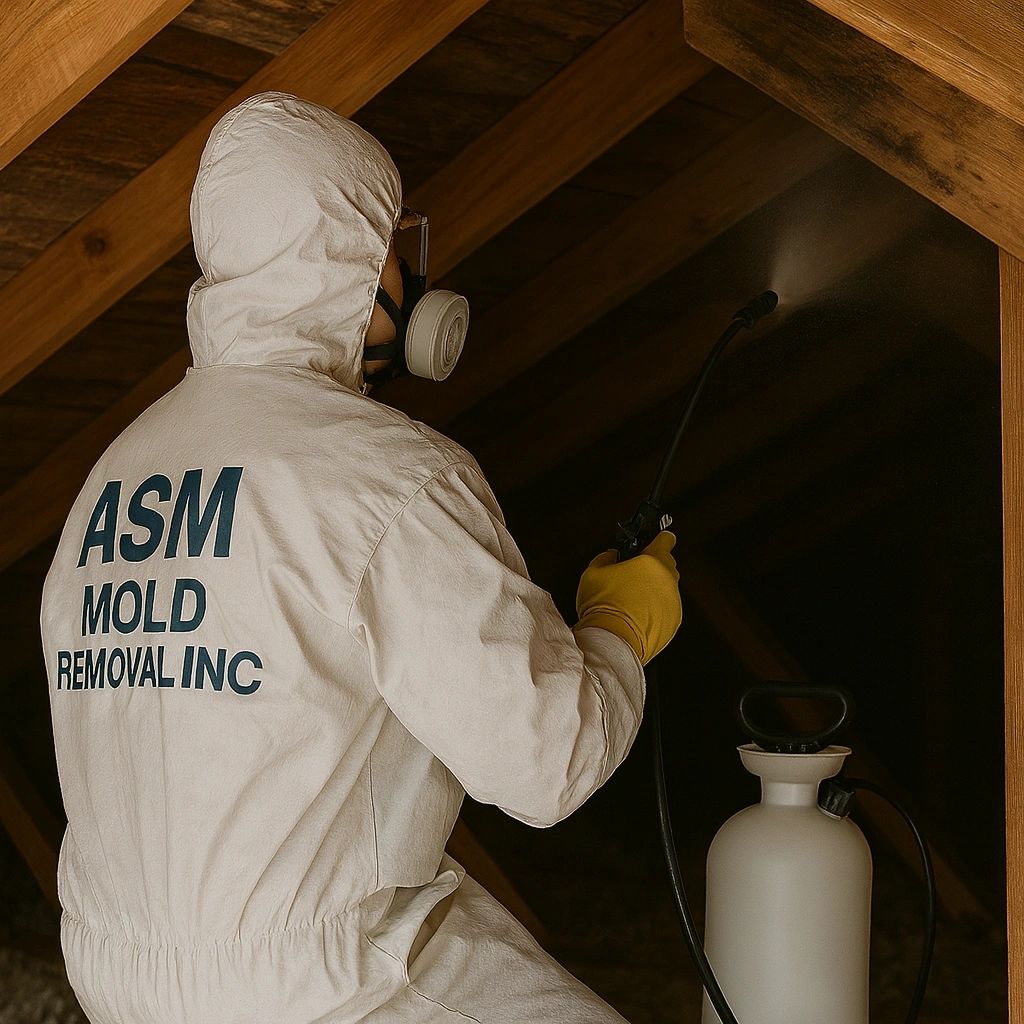
Certified attic mold removal across Ontario with moisture-source investigation, wood treatment, insulation guidance and a written remediation warranty.
Explore this service ↗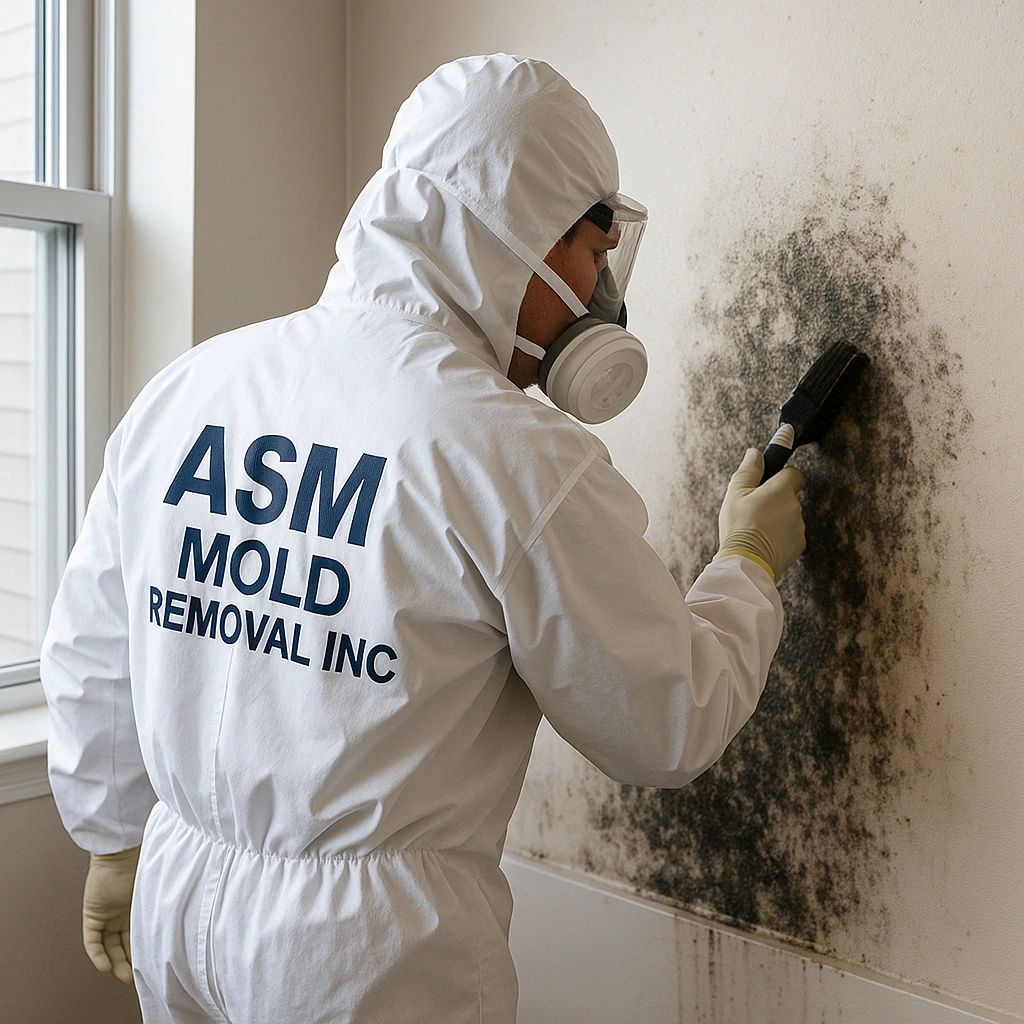
Basement & crawl space
Basement and crawl-space mold remediation across Ontario, including moisture investigation, material removal, antimicrobial treatment and prevention guidance.
Explore this service ↗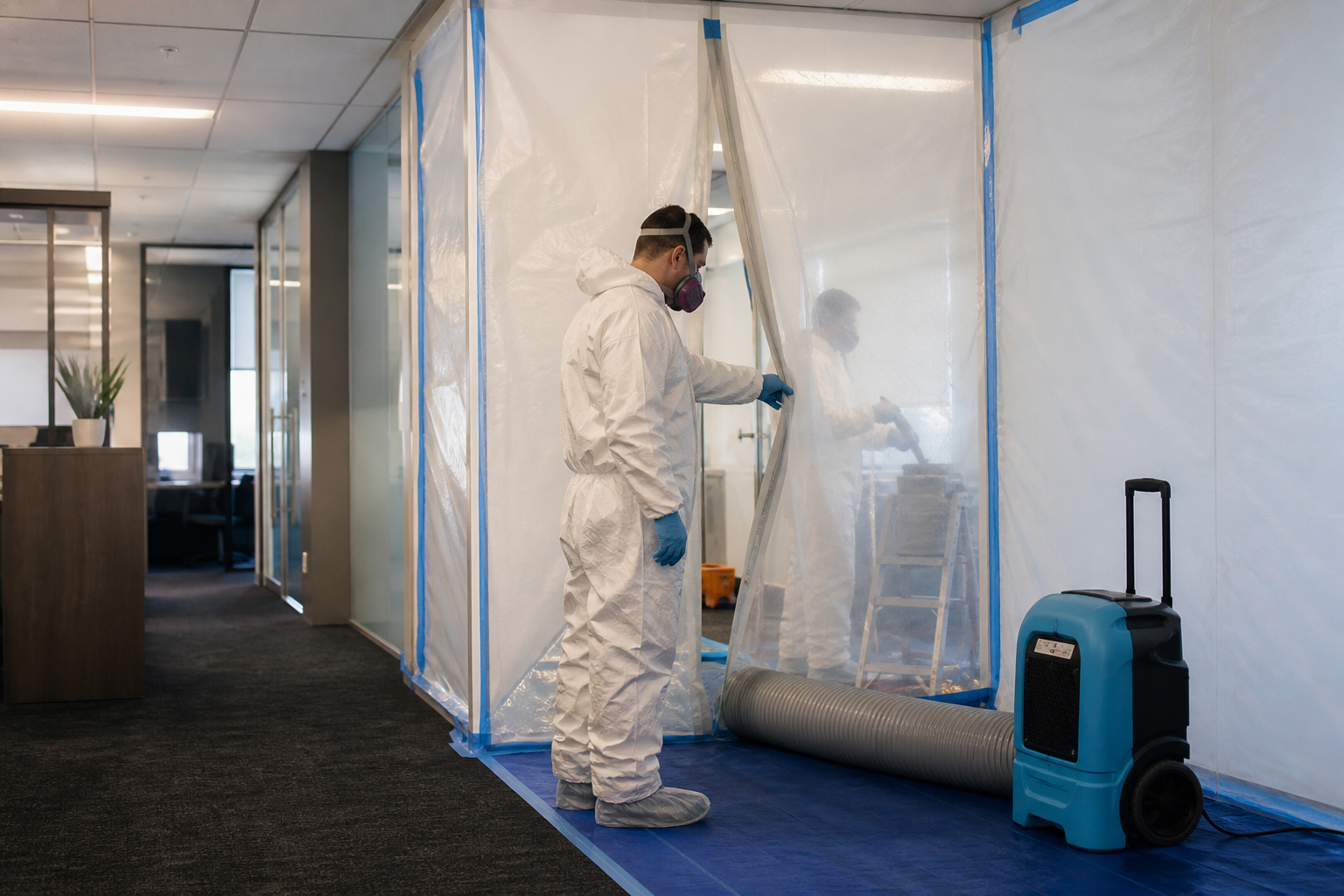
Commercial remediation
Commercial mold remediation for Ontario offices, retail, warehouses, schools and facilities with clear containment, scheduling and documentation.
Explore this service ↗Black mold removal
Professional black mold remediation in Ontario with containment, contaminated-material removal, HEPA filtration and moisture-source correction.
Explore this service ↗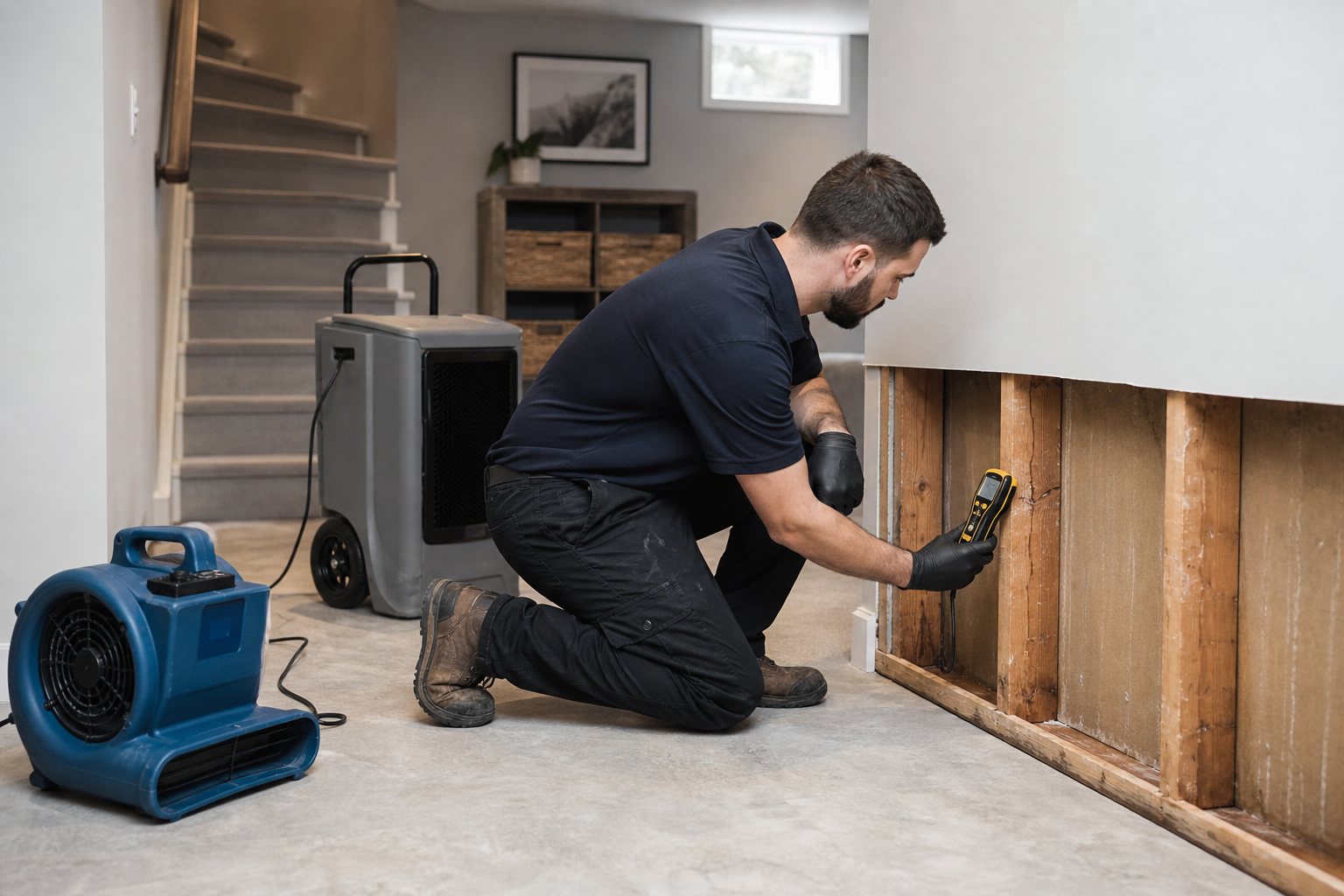
Water damage restoration
Ontario water-damage cleanup and mold prevention with drying, affected-material removal, remediation and restoration planning.
Explore this service ↗Air quality testing
Indoor air quality testing across Ontario with on-site readings, airborne spore sampling and accredited third-party laboratory analysis.
Explore this service ↗Asbestos inspection & testing
Asbestos inspection and sampling across Ontario, with suspect materials identified, sampled under controlled conditions and analyzed by an accredited laboratory.
Explore this service ↗Laboratory testing & reports
Sample collection and accredited laboratory analysis across Ontario, with documented chain of custody and a written interpretation of the lab report.
Explore this service ↗Verified Google reviews
What Ontario property
owners actually say.
Reviews published on GoogleRead them on Google ↗
Ali, the inspector/coordinator, super friendly, well spoken, answered any questions we had. Syed, the technician, did a clean, efficient job removing the mold. We got the best quote and they completed with a report and warranty. Will use again.
Amer and his company did a great job with my mold remediation. They were efficient and provided the best price in town with full certification and before and after pictures of work done
Work was done very professionally and they were able to finish in 2-3 hours, which was amazing, recommended required changes and made my life easier. Highly recommended.
Excellent service! Professional, punctual, and very knowledgeable about mold treatment. They did a thorough job and made the whole process stress-free. Highly recommend.
Same-day response
Ready for a clear answer?
Start with a free inspection. We’ll explain what we found, what it takes to fix and what happens next.