Last updated: October 2026
Last updated: October 27, 2026
Cost of mold testing: quick summary
The price of mold testing is not a single fixed fee. A basic visual inspection with moisture readings costs less than an investigation that includes multiple air samples, surface sampling, laboratory analysis, thermal imaging, difficult attic access, or post-remediation clearance documentation.
Published Ontario and GTA pricing references indicate several common bands: approximately $150–$250 for a visual inspection and written report, about $250–$400 for an inspection with air sampling and laboratory analysis, and roughly $350–$600 for more comprehensive or independent testing. These are comparison ranges rather than a quote from ASM Mold Removal. The final amount depends on the property, the decision you need to make, and the number and type of samples that can answer it.
- Visual inspection: Looks for visible mould, odours, water damage, condensation, and building conditions that support growth.
- Moisture investigation: Uses moisture meters and, where useful, thermal imaging to locate wet materials or concealed moisture pathways.
- Air or surface sampling: Adds laboratory evidence when hidden contamination, exposure questions, or clearance documentation justify it.
- Written reporting: Records observations, sample locations, results, photographs, and recommended next steps.
ASM Mold Removal Inc. provides free inspections and same-day response across Ontario for urgent situations. A free inspection is not the same as a paid independent laboratory assessment, so ask exactly what the visit includes before comparing proposals.
What does mold testing include?
Mold testing usually refers to collecting air, surface, bulk, or cavity samples and sending them for analysis. A useful investigation also considers the building itself: leaks, humidity, ventilation, condensation, insulation, and materials that may have remained damp.
A sample can answer a narrow question, but it cannot replace an inspection. Health Canada advises that routine indoor-air testing is generally unnecessary because an air result does not predict health effects or identify the cause of mould damage. Its guidance supports professional testing in more specific circumstances, such as unexplained concerns after an inspection, suspected hidden mould, or documentation needs after remediation.
This distinction matters in Scarborough homes. A musty odour with no visible growth may justify moisture mapping and a carefully selected cavity or air sample. By contrast, visible mould on a readily accessible surface usually requires source control and safe removal rather than an extensive exercise to identify the mould type.
When is mold testing worth the cost?
Testing is most defensible when the result will change a decision. That may mean deciding whether a hidden wall cavity needs investigation, documenting conditions for a real estate transaction, checking a suspected impact after flooding, or verifying that remediation addressed the affected area.
Suspected hidden mould
Testing can be useful when there is a persistent odour, a history of roof or plumbing leaks, staining near a wall or ceiling, or moisture behind finished materials. The inspector should first identify the likely pathway and then choose the least disruptive sampling method that can answer the question.
Unexplained concerns after inspection
If occupants remain concerned but a careful inspection finds no visible mould or moisture source, a qualified professional may discuss whether targeted testing adds information. Testing should be presented as an investigative option, not as a guaranteed explanation for symptoms.
Post-remediation documentation
Clearance or verification testing can document conditions after removal, drying, cleaning, and repairs are complete. It should occur only after the moisture source has been corrected and affected materials are appropriately addressed. A test taken before that work is finished cannot demonstrate that remediation succeeded.
When testing may add little value
Routine air testing is often a poor first step when visible mould and an active moisture source are already obvious. Knowing the species is not generally required to remove visible mould safely. In those cases, the budget may be better directed toward fixing the leak, improving ventilation, removing damaged materials, and preventing recurrence.
For public-health context, read Health Canada’s guidance on moisture and mould indoors before ordering routine air testing.
How mold inspection and testing works
A professional assessment normally begins with history-taking and a visual inspection, not with a pump or swab. The inspector records where odours, staining, leaks, or symptoms are reported and checks the surrounding building conditions.
- Review the history: Discuss flooding, roof or plumbing leaks, renovations, odours, occupancy, and any deadline for insurance or real estate documentation.
- Inspect visible conditions: Examine attics, basements, crawl spaces, HVAC-adjacent areas, bathrooms, exterior walls, and other locations suggested by the history.
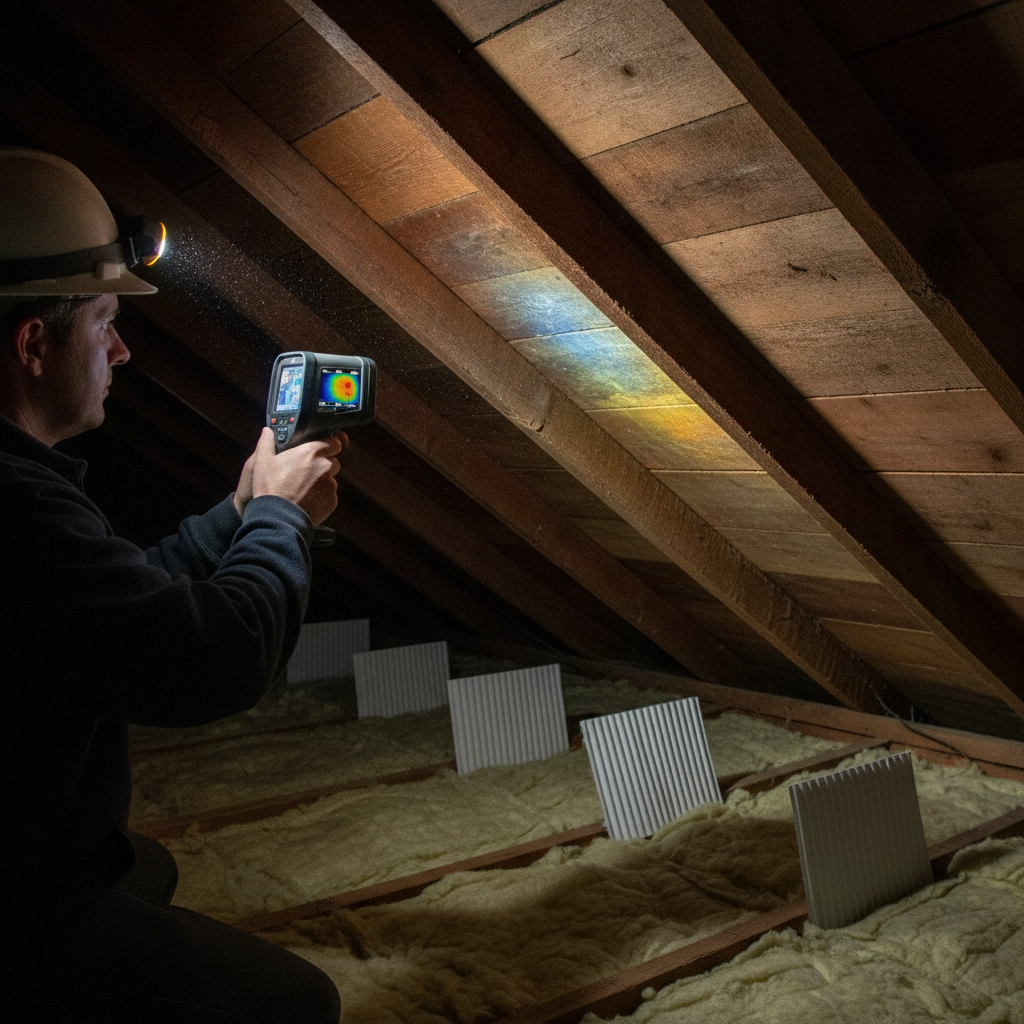
- Map moisture: Use moisture meters and, where appropriate, thermal imaging to identify damp materials, cold surfaces, condensation patterns, or areas needing closer access.
- Define the question: Decide whether the evidence calls for no samples, targeted surface sampling, air sampling, cavity sampling, or bulk material analysis.
- Collect and document samples: Record locations, conditions, sample identifiers, and handling details to reduce confusion and support chain-of-custody documentation.
- Interpret the report: Compare laboratory findings with the site observations. Recommendations should address moisture control and remediation, not simply list mould names.
Testing conditions also affect interpretation. Heavy cleaning, sweeping, moving stored items, or unusual HVAC operation shortly before air sampling can disturb settled particles. Normal operating conditions and clear notes about site activity produce a more useful snapshot.
Testing methods and typical price ranges
The following ranges reflect published Ontario and GTA comparisons supplied for this refresh. They are not guaranteed prices and should not be treated as a substitute for a property-specific estimate. A proposal should state whether tax, travel, laboratory fees, additional samples, and the written report are included.
| Service or method | Typical published range | What it can help answer | Important limitation |
|---|---|---|---|
| Visual inspection and report | About $150–$250 | Whether visible mould, moisture, odours, or building defects need attention | May not identify concealed growth or provide laboratory evidence |
| Inspection with air sampling and lab analysis | About $250–$400 | Whether airborne particles differ between selected indoor and control locations | Represents conditions at the time of sampling and does not predict health effects |
| Standalone or independent air testing | About $300–$600 | Targeted documentation where air results are relevant to a defined decision | Can provide little useful information when no moisture or mould question has been established |
| Surface swab or tape lift | About $50–$100 per sample in published comparisons | What is present on a selected visible or suspect material | Does not measure overall indoor-air exposure |
| Post-remediation clearance testing | About $200–$600 | Whether conditions after cleanup meet agreed verification criteria | Should follow completed remediation and moisture correction |
Prices increase when the scope includes several rooms, multiple floors, more samples, independent laboratory work, difficult access, urgent scheduling, or a detailed photo report. A small accessible area may need only a focused assessment, while a property with a wet basement, attic concerns, and a real estate deadline may require separate questions and visits.

What drives the cost of mold testing?
Number and type of samples
Each air, surface, bulk, or cavity sample adds collection, handling, and laboratory work. More samples are not automatically better. The useful question is whether each location tests a different hypothesis or supports a decision that matters.
Property size and layout
A detached home with an attic, basement, crawl space, and several occupied rooms takes longer to inspect than a single accessible area. Condos and small businesses may have fewer rooms but still require attention to shared walls, mechanical systems, or unusual access rules.
Access and safety
Finished attics, tight crawl spaces, high ceilings, stored belongings, insulation disturbance, and concealed cavities can increase setup time. Safe access and containment are part of a credible investigation, not unnecessary extras.
Laboratory method and reporting
Microscopy, DNA-based analysis, surface identification, and bulk-material assessment answer different questions. The report may also include photographs, floor plans, chain-of-custody records, moisture readings, and plain-language interpretation. Ask which deliverables are included rather than comparing only the headline price.
Urgency and timing
Recent flooding, an active leak, a closing date, or a tenant communication deadline can change scheduling and logistics. Tell the inspector the decision date at the outset. Urgency should not eliminate the inspection steps needed to interpret a sample responsibly.
Scarborough considerations for an efficient assessment
Scarborough properties include older housing stock, renovated basements, finished attics, and homes exposed to seasonal changes in temperature and humidity. These conditions can make condensation, roof leakage, bathroom exhaust problems, and basement seepage more relevant than a generic sample package.
After a spring thaw or severe storm, document the affected area quickly while the moisture pattern is still identifiable. In an attic, check whether bathroom exhaust terminates outdoors, whether soffit and roof ventilation are functioning, and whether insulation is blocking intended airflow. In a basement, inspect the wall-floor junction, baseboards, stored materials, and areas near plumbing penetrations.
Bring photographs of staining, dates of leaks, repair invoices, and any prior reports. This background can help narrow the investigation and avoid paying for samples that do not address the actual history of the property.
How to compare mold testing proposals
Two proposals may show different totals because they include different scopes. Before accepting the lowest or highest price, ask each provider to explain what decision the proposed inspection and samples are designed to support.
- Scope: Which rooms, surfaces, cavities, attic areas, or mechanical spaces are included?
- Methods: Are the samples air, surface, bulk, or cavity samples, and why is each method appropriate?
- Laboratory: Where are samples analyzed, and will you receive method details and chain-of-custody records?
- Deliverables: Does the price include moisture readings, photographs, a written interpretation, and recommendations?
- Additional fees: Are taxes, travel, rush service, extra samples, access work, or a second visit excluded?
- Independence: If remediation is recommended, can you understand the findings without being pressured into unrelated work?
- Verification: If cleanup is planned, what conditions must be met before post-remediation testing?
A credible report should connect observations to recommendations. A laboratory result by itself does not tell you which materials to remove, why moisture is present, or whether a ventilation repair is needed.
Tools and documentation that add value
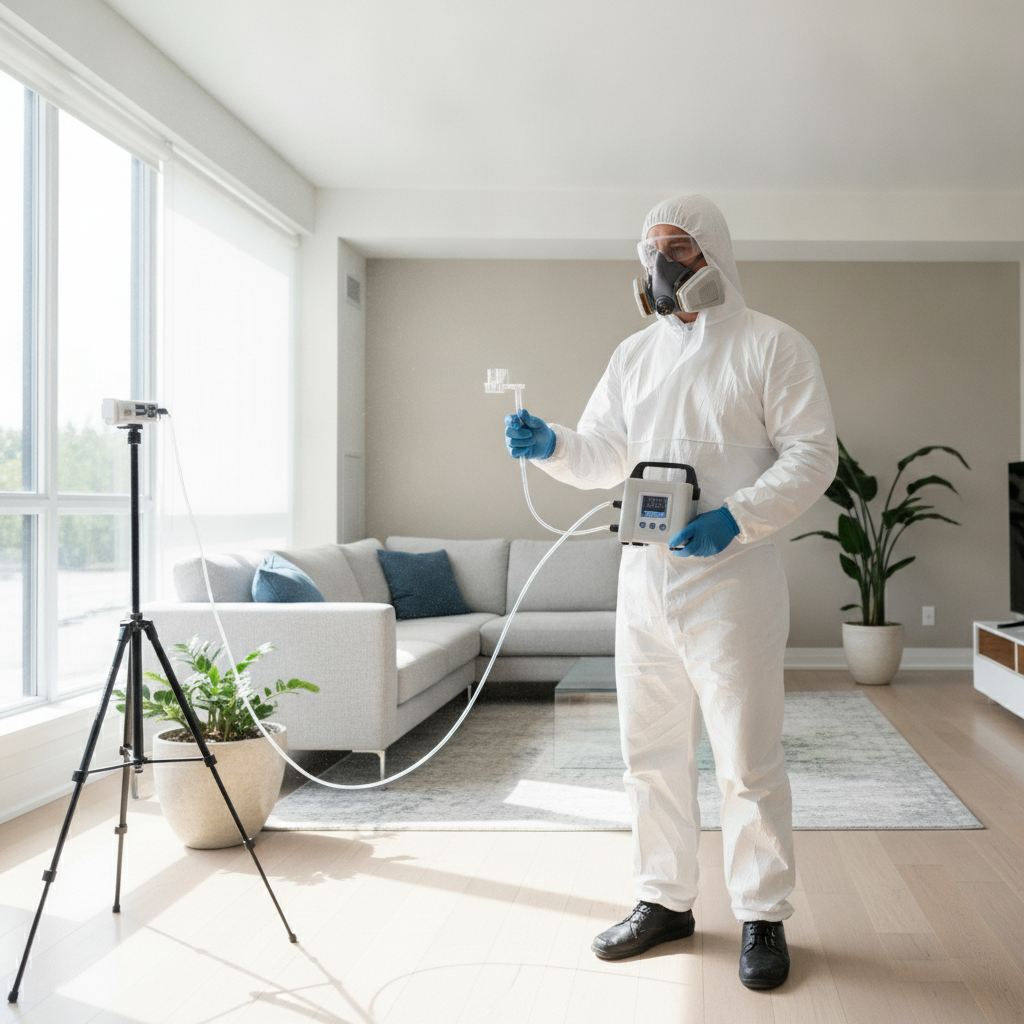
Moisture meters help identify wet materials and track drying. Thermal imaging can highlight temperature differences that warrant closer inspection, although a thermal image alone does not prove mould or moisture. Calibrated air pumps, sterile collection materials, sample labels, containment supplies, and HEPA filtration support controlled fieldwork.
For a property transaction or insurance discussion, retain the report, photographs, invoices, repair records, laboratory results, and details of what happened before and after sampling. Documentation is strongest when it identifies the source, the affected materials, the work completed, and the conditions observed during verification.
Frequently asked questions about mold testing cost
How much does mold testing cost in Scarborough?
Published GTA and Ontario comparisons commonly place visual inspections around $150–$250, inspections with air sampling and laboratory analysis around $250–$400, and broader or independent testing around $300–$600. The actual quote depends on property size, access, sample count, laboratory method, report detail, urgency, and whether remediation verification is included.
Do I need an air test if I can see mould?
Usually not automatically. If visible mould and its moisture source are clear, correcting the source and safely addressing the affected material may be more useful than identifying the mould type. Air testing may still be considered when hidden spread, occupant exposure questions, unexplained concerns, or post-remediation documentation make it relevant.
Is a free mold inspection the same as mold testing?
No. A free inspection may involve a visual assessment and moisture discussion, while mold testing may include sample collection, laboratory analysis, and a formal report. Ask whether the quoted service includes samples, lab fees, photographs, and written recommendations.
When should post-remediation testing happen?
Schedule verification after the moisture source has been corrected, affected materials have been removed or cleaned as appropriate, and the area is dry and ready for assessment. Testing before those steps are complete cannot reliably show whether remediation succeeded. Agree in advance on the locations, methods, and interpretation criteria.
Get a focused mold testing plan
If you are comparing the cost of mold testing in Scarborough, start with the question you need answered rather than a preset number of samples. ASM Mold Removal can begin with a moisture-focused assessment, explain whether targeted testing is appropriate, and outline the documentation and remediation steps that fit your property.
Request a free inspection to discuss your home or small business with the ASM Mold Removal team.


